

Do science with us!
We can't wait to work with you!

Click on the pencil to share your contact info!
If you are interested in participating in our active research projects, please share your contact information and a team member will reach out to you!
Participation usually takes 10 - 15 minutes, and can be done online, in our lab at BU, or at a pop-up event around Boston!
Active Research Projects
Children can participate in our studies at places around Boston, such as our lab space at BU's Charles River Campus, at the Museum of Science, or at a pop up event!
Stay tuned for new online studies that children can participate in through Children Helping Science!

Moving on up
The American Dream is all about moving on up a social ladder, by doing things like going to college, getting a great job, or generally feeling better off than your parents or grandparents did. But not everyone has the same opportunities to move up a ladder, and things like race, immigration status, or disability can change the opportunities that many people have. This is a complex and complicated idea though! Is it possible that children are aware of disparities in opportunity?
We're actively recruiting kids between the ages of 5 and 12 years olds for this 10 - 15 minute study. Children can participate in our lab space at BU's Charles River Campus.
Science is...
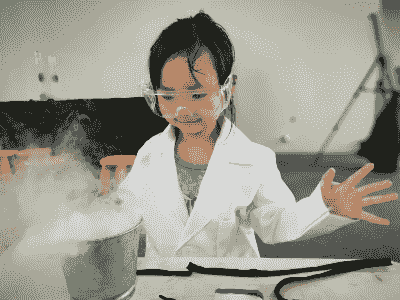
As scientists, we believe that science can and should be a meaningful, collaborative, creative, and joyful process. However, research suggests that children sometimes come to believe that scientists work alone on noncreative tasks that may not feel relevant to their own lives. This study examines how the ways we describe what scientists look like and do each day (e.g., working alone versus collaborating), as well as how we characterize science more broadly (e.g., solving problems versus explaining how the world works), shape children’s perceptions of science and their interest in scientific activity. We do this by sharing stories about different types of science conducted on made-up planets and asking children what they think about these scientific practices.

I win, you win, we all win?
Humans have been exchanging goods, selling products, and paying for services for centuries. Do people generally believe that these interactions benefit everyone involved, or do they think that some individuals end up better off than others? In other words, can everyone win in trade and barter? In this study, we examine whether judgments about trade and exchange change as people gain more experience with money and with buying, selling, and trading goods and services. We do this by sharing short stories about different exchange situations and asking participants whether the parties involved are better off, worse off, or the same after the exchange.
How do explanations shape kids' self-concepts?
When children try to make sense of differences in the world around them there are many different kinds of explanations they can come up with. Structural explanations describe how people’s experiences are influenced by external societal factors such as laws, resources, and opportunities. These explanations can shape children’s views of fairness, inclusion, and broader social attitudes. But what about children’s own self-concept? In this study, we examine how these explanations may also shape children’s own self-concept. We do this by sharing short stories about kids engaged in activities and asking children questions about how they see themselves in relation to these activities.


